Traditional Mongolian Instruments
Discover the unique sounds and rich history of Mongolia's traditional musical instruments
Morin khuur
Морин хуур
Morin khuur
It is the most ancient musical instrument of Mongolia's, and it is worshipped and respected among the Mongols as the horses are. The horse headed fiddle is made of the wood and the top is carved honorably and skillfully like a horse head. It has just two strings which are made of the hair of Mongolian horse tail. This instrument was registered in the UNESCO is World foundation in 2004. However, the instrument has just two strings, it has approved its skill to play not only the Mongolian folklore or any folk compositions but also famous composer classic compositions in the world with its special melodious sound.
Ikh Khuur
Их хуур
Ikh Khuur
Ikh khuur is a type of morin khuur instrument and has been part of the national grand orchestra since 1950. It performs the same role a bass fiddle does in the western orchestra.
Khuuchir
Хуучир
Khuuchir
2-4 string instrument, played on one’s lap, and it is like a violin. Widely spread Asian countries such as China, Korea and Mongolia. Today, the khuuchir is widely used in both Mongolian folk and professional music. It plays an important role in folk songs, dance music, orchestral and symphonic works, and serves as an essential component of the Mongolian traditional orchestra.
Shudraga / Shanz
Шудрага / Шанз
Shudraga / Shanz
Shudraga (known as shanz) music is one of the national musical instruments of Mongolia. It's called fidelity music because it's played with a tap or swipe motion. Another version is that Mongolians call the ladle Shudraga, and the general shape of the ladle resembles a ladle with a straight handle. It is a musical instrument with 3 fine strings made of goat wire and a snake handle. It is widely used in folk songs, where the song can express different emotions, such as joy, sadness, lyrics, motivation, etc.
Yochin
Ёочин
Yochin
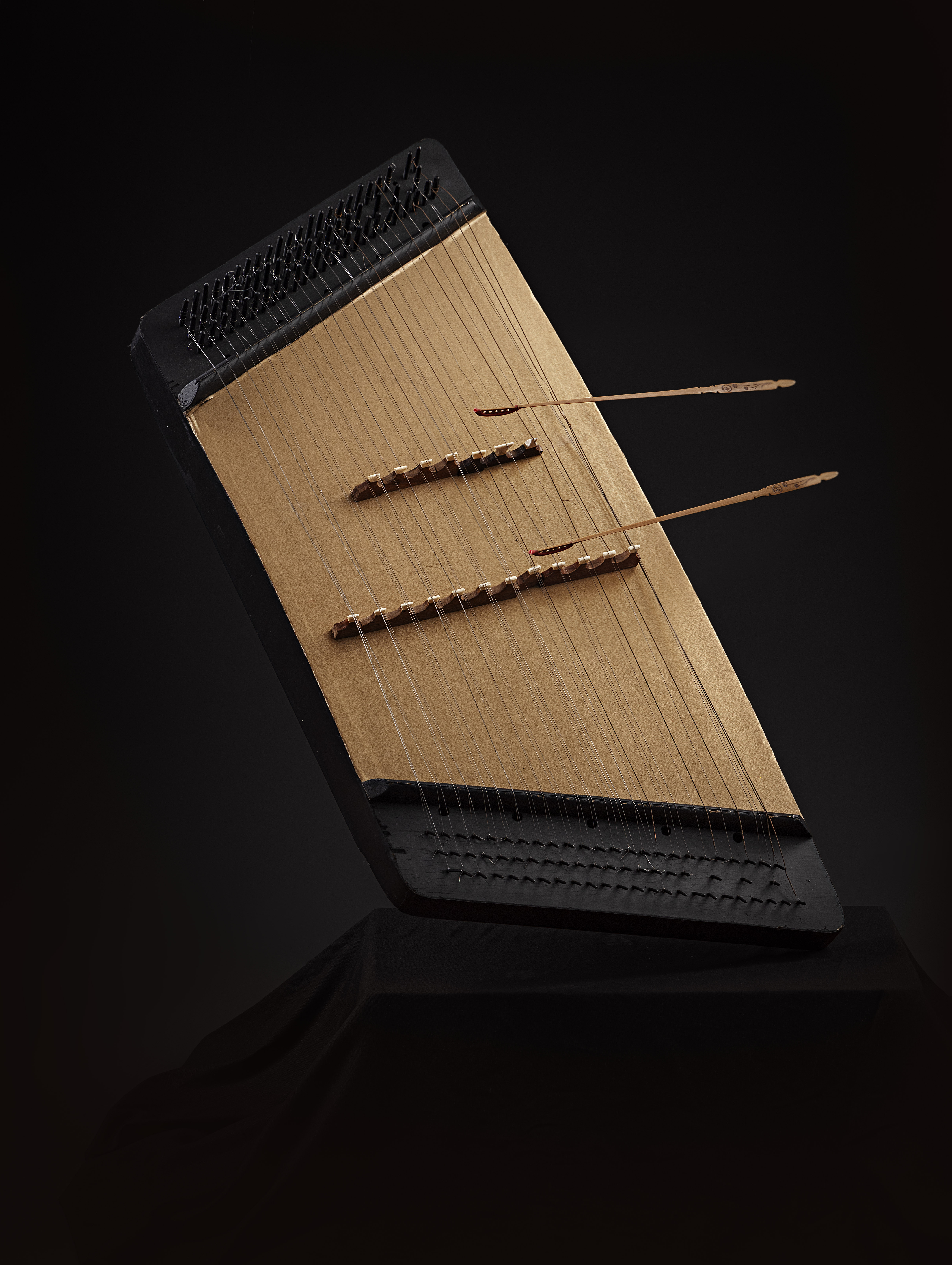
Yochin is a type of Mongolian stringed music, characterized by its melodious and clear sound. It also has a wooden box-like body with many strings and is played with 2 rackets. Mongolian percussion string music and is believed to be derived from the ancient Chinese "Yancheng" music. "Yancheng" music came to China in the 16th century from a special music called "Santur" of Persia or Iran, then spread to many countries in East Asia. It belongs to the string percussion group of national orchestras and used to emphasize the tone of a piece, highlight ending, and create a tonal balance.
Yatga
Ятга
Yatga
Yatga is a traditional Mongolian string instrument with a convex wooden body, many strings, and is played by pulling. Although it is believed that its origin is from the ancient music of China (guzheng), it has been deeply absorbed into Mongolian heritage and has a special style and playing method. The sound of the harp, clean, soft and clear. The sound is drawn from a low melodic to a high tone, using multiple layered effects. There are 13-25 strings depending on the type of music.
Limbe
Лимбэ
Limbe
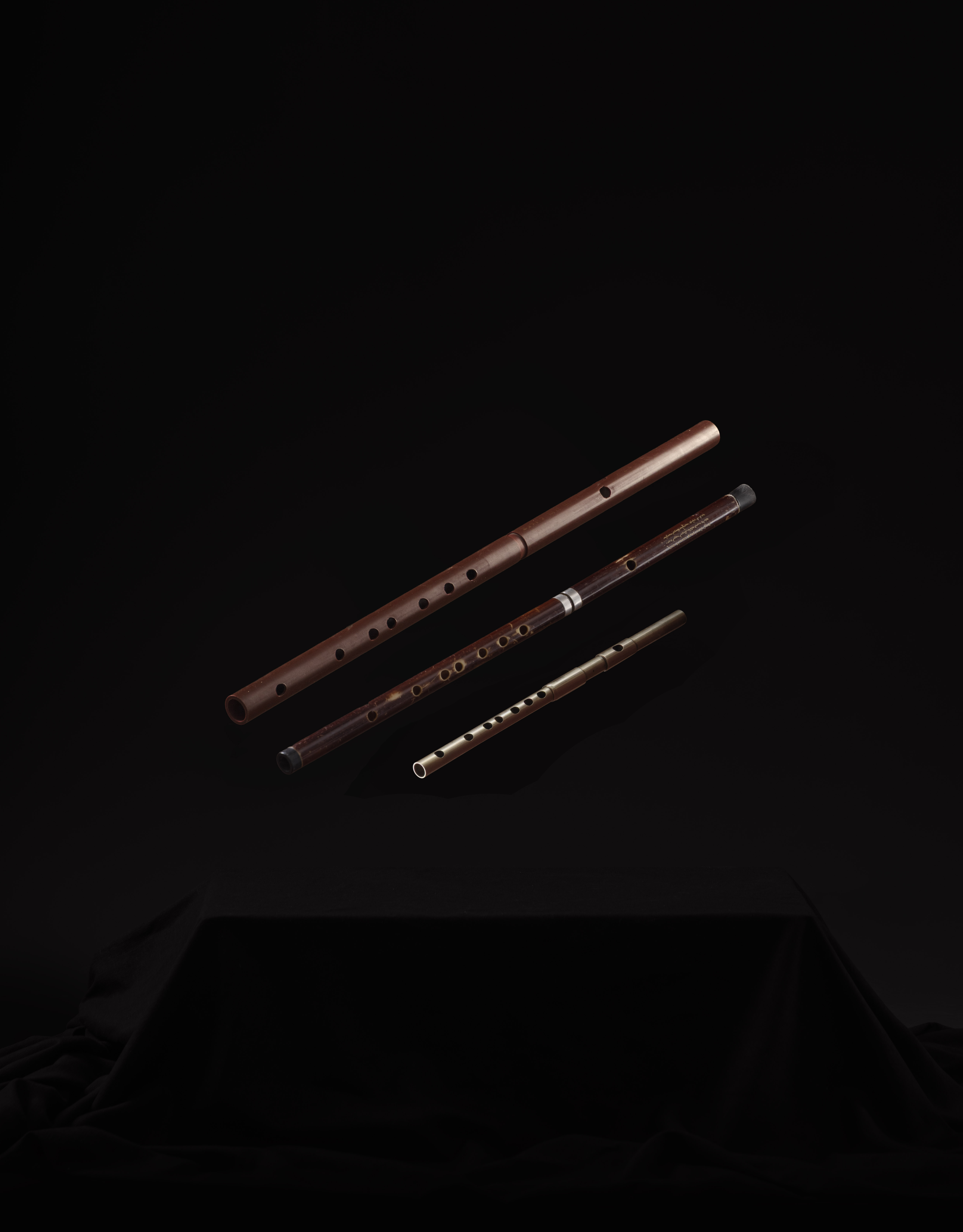
The worldwide known flute is played by Mongols, utilizing 6 fingers. The flute is made of bamboo, tied by sheep intestine tissue string, and the unique play technique called “enclosed breathing” (continuous whistling without a break for breathing) is practiced.
Ever buree
Эвэр бүрээ
Ever buree
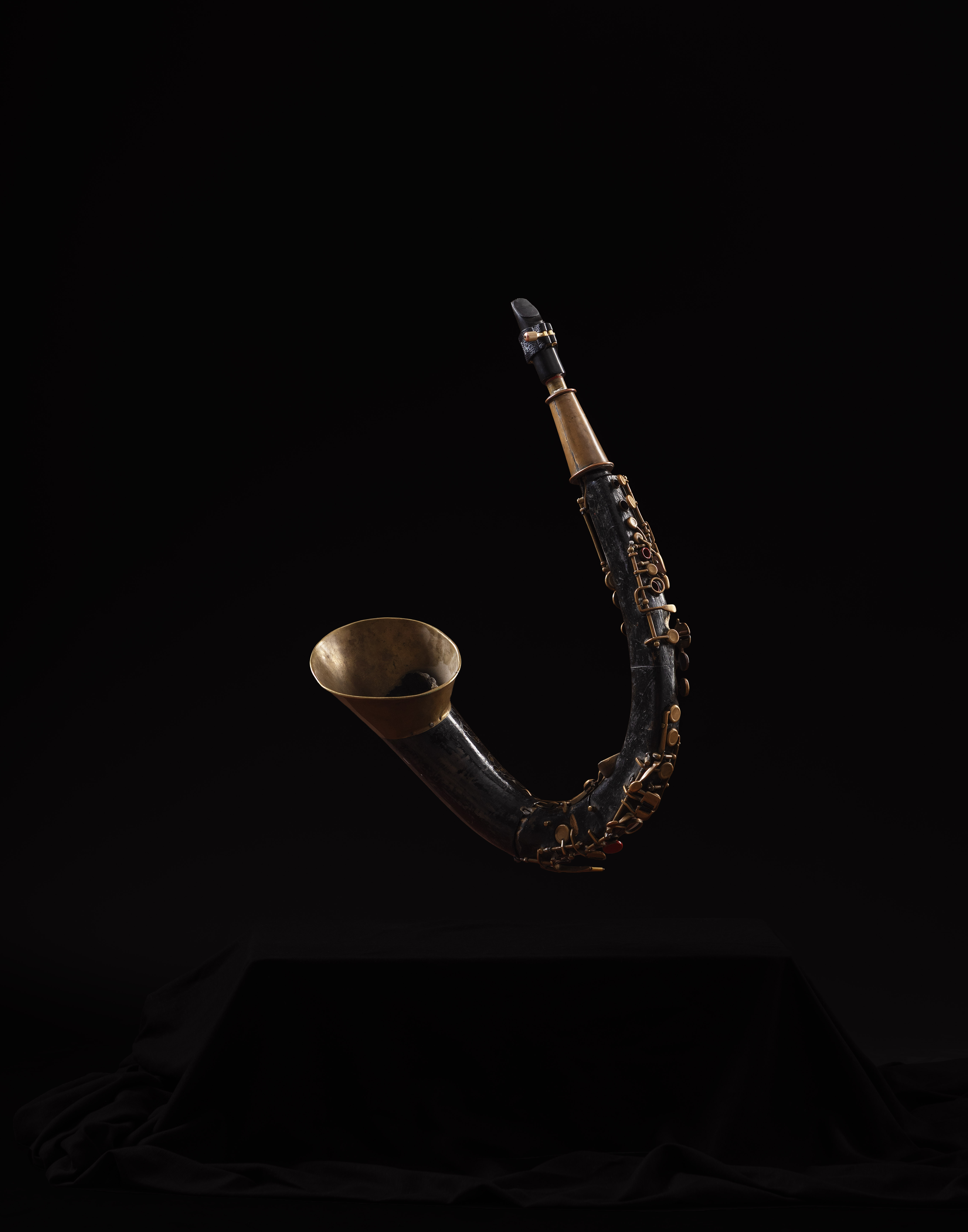
Musical instrument made of cow horn and was used in gatherings and battles in early times, In modern times, it has got valves and is similar a European clarinet.
Tsordon Buree
Цордон бүрээ
Tsordon Buree
Widely used in Buddhist monasteries, the instrument is made of bronze and copper and has a loud, clear sound. The instrument requires a high level of skill and has a wide range of tones, serving as a fundamental component of the orchestra. It has been enriched in modern times with valves and buttons.
Ardiin Bishguur
Ардын бишгүүр
Ardiin Bishguur
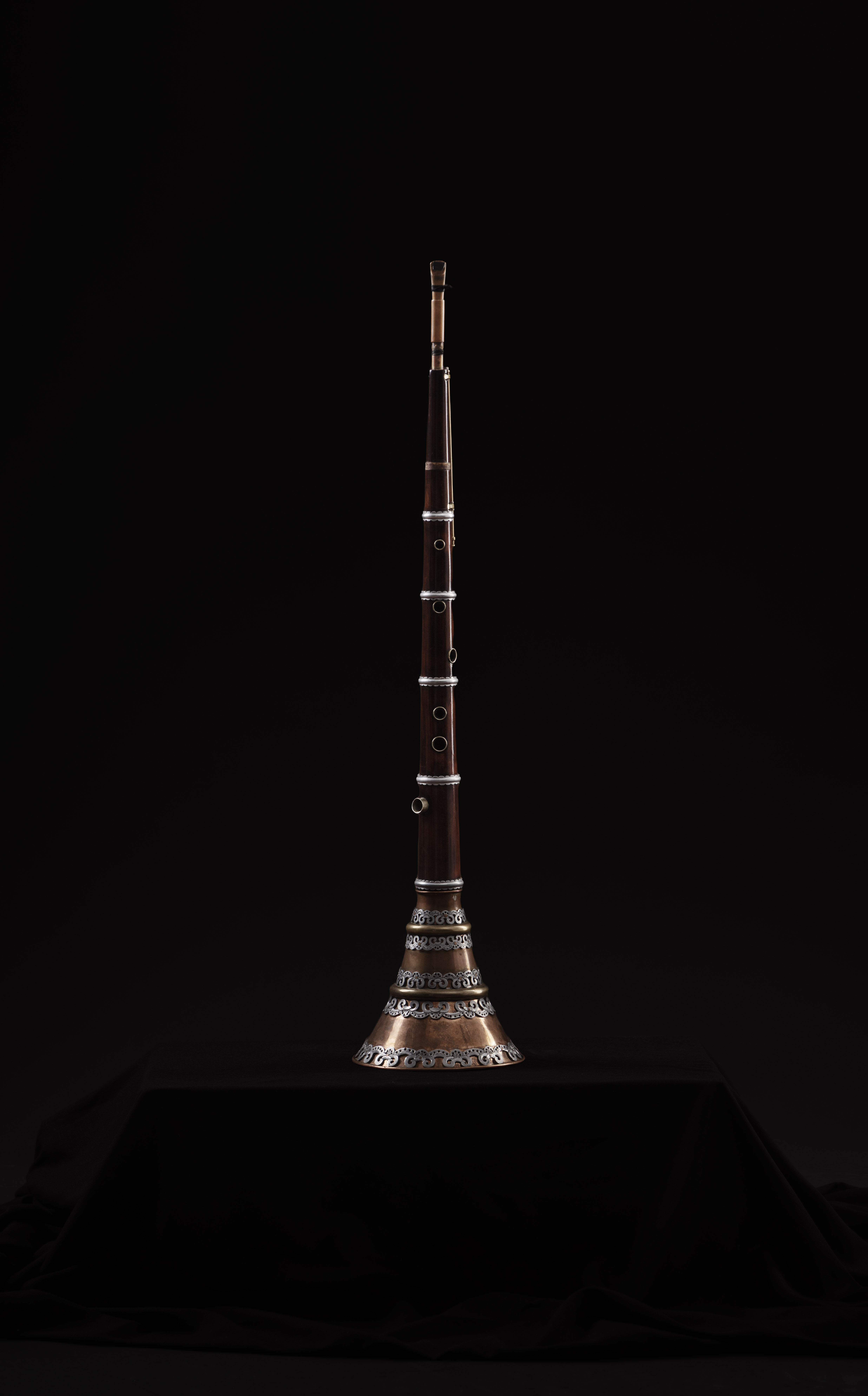
An instrument widely played in Buddhist temples, with 6 holes on the front and 1 hole on the back and decorated with silver and copper by Mongolian silversmiths. The traditional Bishgur is a unique musical instrument that expresses pure, melodious and soulful sounds.
Ikh Bishguur
Их бишгүүр
Ikh Bishguur
A brass instrument like a bassoon. Compared to the folk flute, it is a type of traditional wind instrument that is distinguished by its large size and deep majestic sound. This instrument plays an important role in the orchestra, emphasizing the lower tones and enhancing the depth and meaning of the melody.
Drums
Цохивор хөгжим
Drums
The grand national orchestra uses traditional drums of various types originated in the early days. Westen instruments such as vibraphone, tympani and glockenspiel have found its due places in the national orchestra as well.